Citizen's Eye Join Hands, Shape Our Nation!
The Citizens Eye service empowers individuals to become proactive participants in solving community problems. By enabling citizens to report urban and rural issues directly to the relevant authorities, this service creates a decentralized, efficient, and citizen-driven monitoring system. Here's how it works and its benefits:
 Watch Tutorials
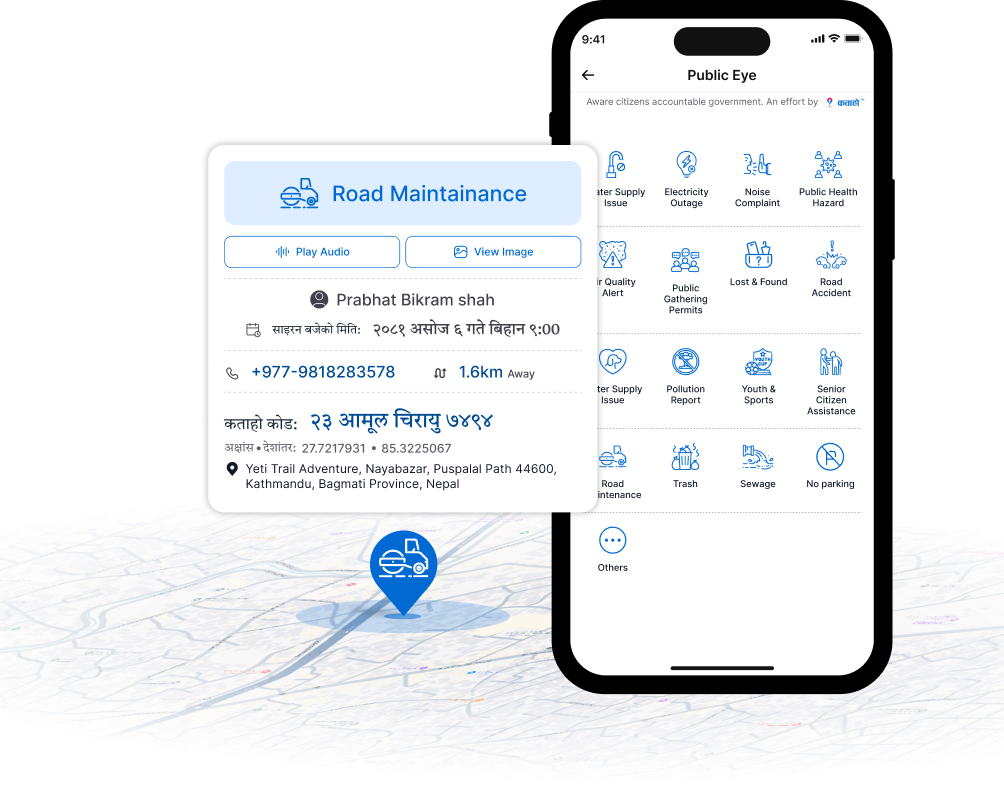
The Current Problems
01. Neglected Urban Issues
Problems like potholes, fallen poles, and trees interfering with power lines often go unnoticed by authorities.
02. Lack of Vigilance
Monitoring every corner of cities and towns is nearly impossible for the government due to limited manpower and resources.
03. Ineffective Reporting Systems
Existing centralized platforms like Hello Sarkar are time-consuming, overloaded, and lack local decentralization.
04. Expensive Alternatives
Sensor-based solutions are costly and not feasible for widespread deployment, especially in developing countries like Nepal.
"Aware citizens accountable government"
-An effort by Kataho
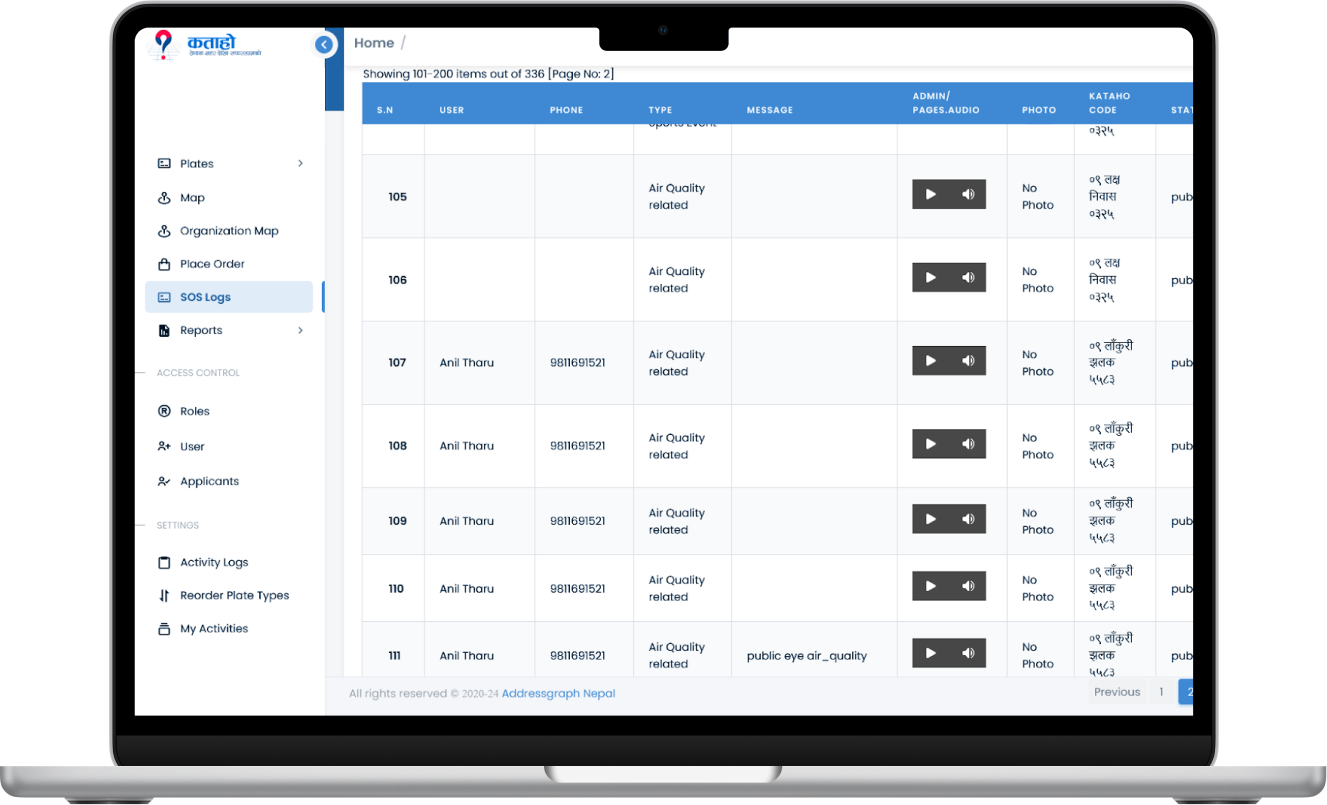
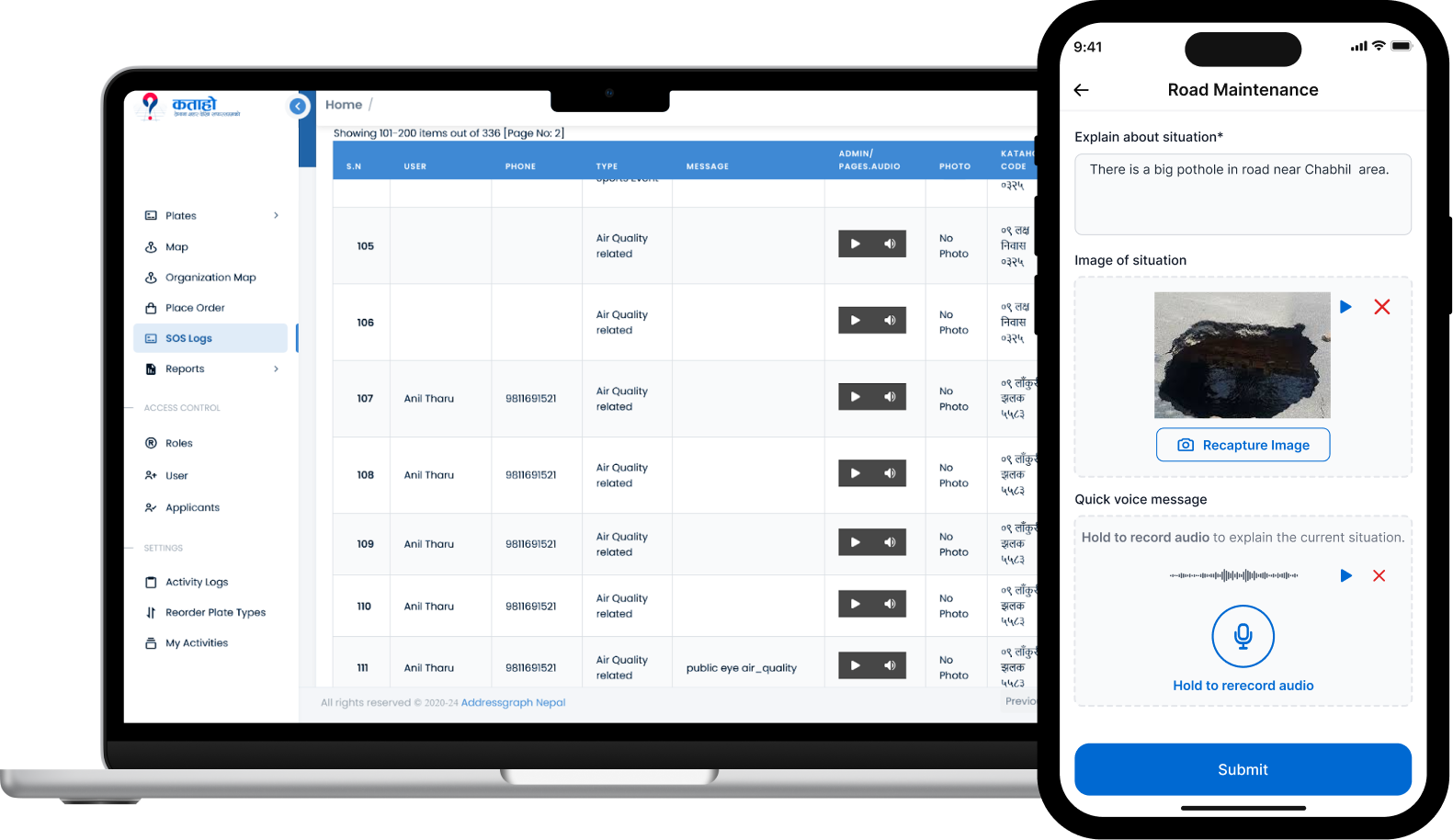
Decentralized Reporting: Every citizen becomes a vigilant eye, contributing to a better community.
Each report is categorized based on urgency and type, directing it to the correct local body for action.
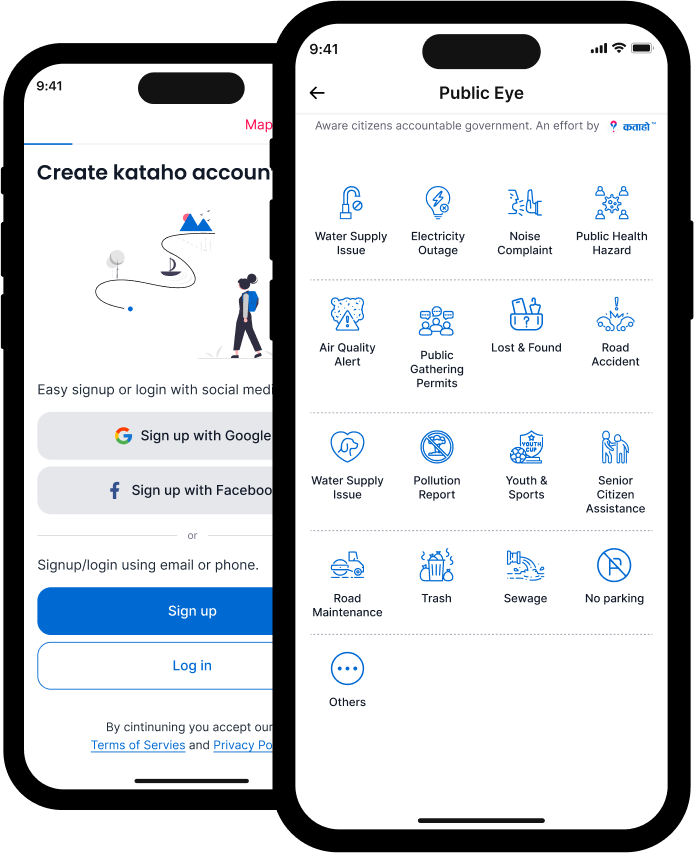
Diverse Reportable Issues
The Citizens Eye service empowers individuals to become proactive participants in solving community problems. By enabling citizens to report urban and rural issues directly to the relevant authorities, this service creates a decentralized, efficient, and citizen-driven monitoring system.

Air Quality Alert

Public Gathering Permits

Lost & Found

Road Accident

Water Supply Issue

Electricity Outage

Noise Complaint

Public Health Hazard

Loose Animal

Pollution Report

Youth Sports Events

Senior Citizen Assistance

Trash Waste

Sewage

No Parking

Road Construction
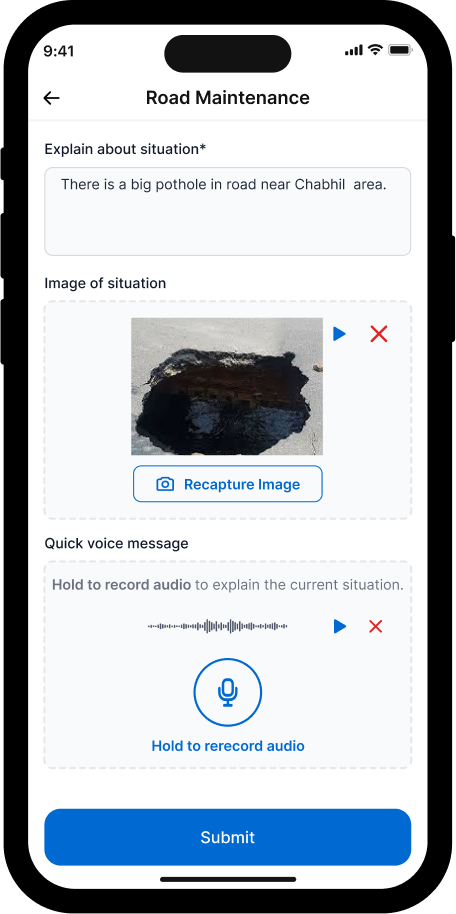
Three Simple Reporting Methods
The Citizens Eye service empowers individuals to become proactive participants in solving community problems. By enabling citizens to report urban and rural issues directly to the relevant authorities, this service creates a decentralized, efficient, and citizen-driven monitoring system.
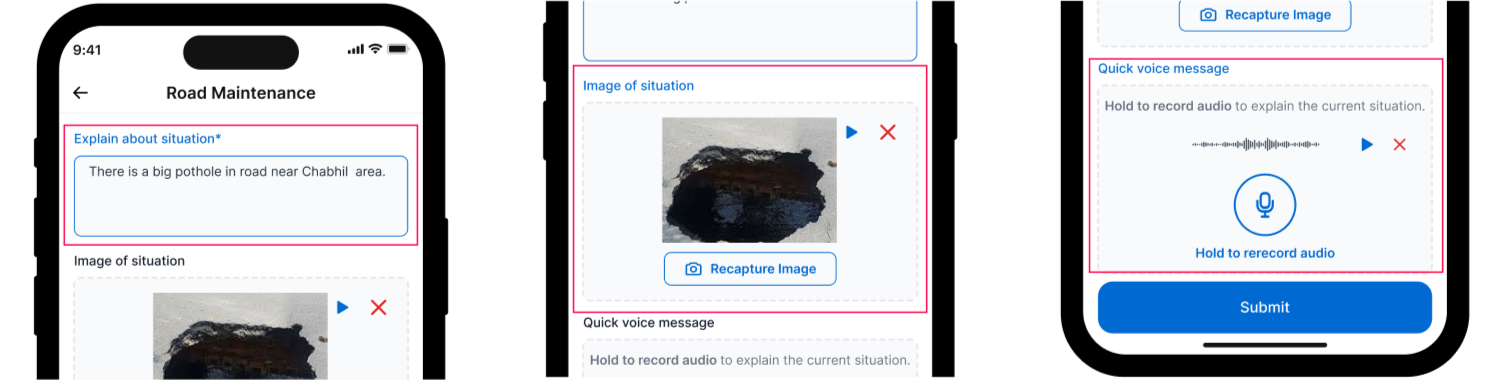
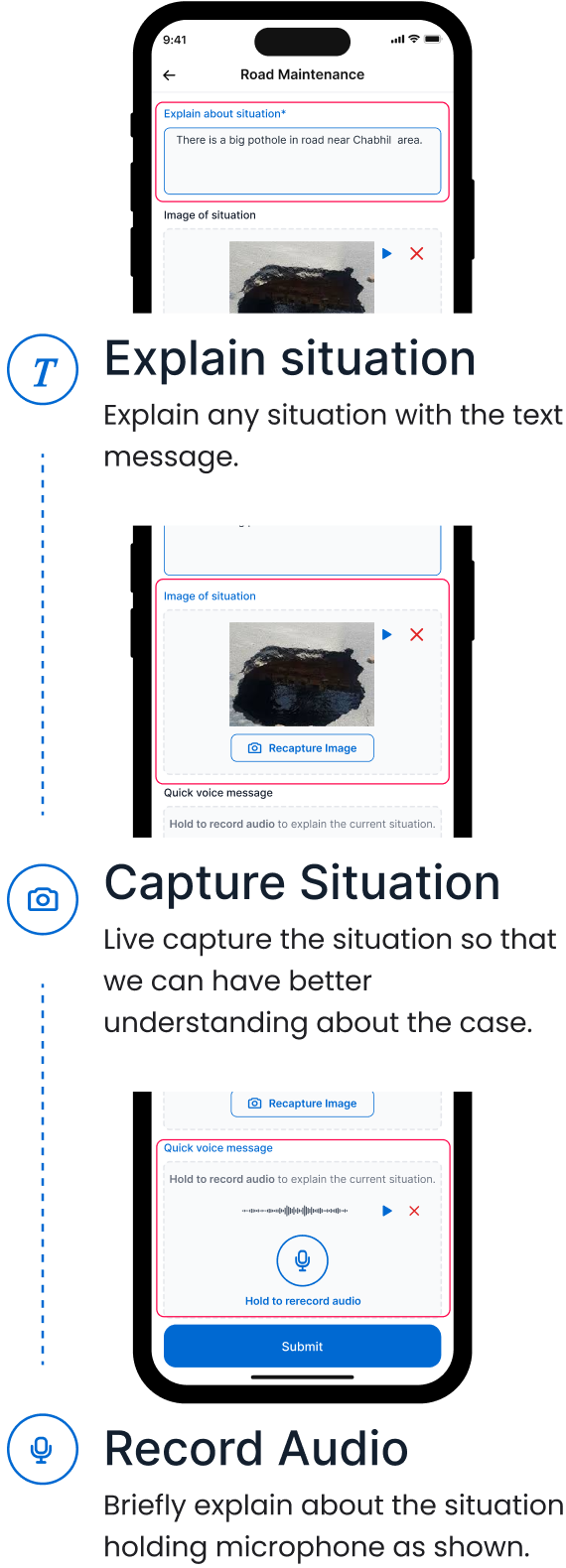
Explain situation
Explain situation
Capture Situation
Live capture the situation so that we can have better understanding about the case.
Record Audio
Briefly explain about the situation holding microphone as shown.
Benefits
Benifits
By deploying Citizen's Eye, Nepal can build a collaborative environment between citizens and the government. This system not only addresses immediate problems but also fosters civic responsibility and national pride, making communities cleaner, safer, and more organized.
Improved Accountability
Encourages timely action by making the authorities directly accountable.
Efficient Resource Use
Reduces dependence on expensive sensors by leveraging citizen vigilance.
Engaged Citizens
Empowers everyone to contribute towards improving their communities.
Localized Reporting
Reports are automatically routed to the relevant municipality or ward office, ensuring faster resolution.
Future Potential
By deploying Citizen's Eye, Nepal can build a collaborative environment between citizens and the government. This system not only addresses immediate problems but also fosters civic responsibility and national pride, making communities cleaner, safer, and more organized.
• "Together for a Better Tomorrow!"
• "Join Hands, Shape Our Nation!"
• "Act Today, Transform Our Future!"
• "United We Build, United We Thrive!"
• "Small Steps, Big Changes—Together!"
With Citizen's Eye, users can report issues effortlessly, no matter where they are. The system is smartly integrated with all 753 municipalities in Nepal. When a report is filed, it automatically detects the user's location and routes the issue directly to the nearby and relevant authority. There's no need to manually select a municipality or authority—our platform ensures the right team is notified instantly for timely action.
We For Our Society
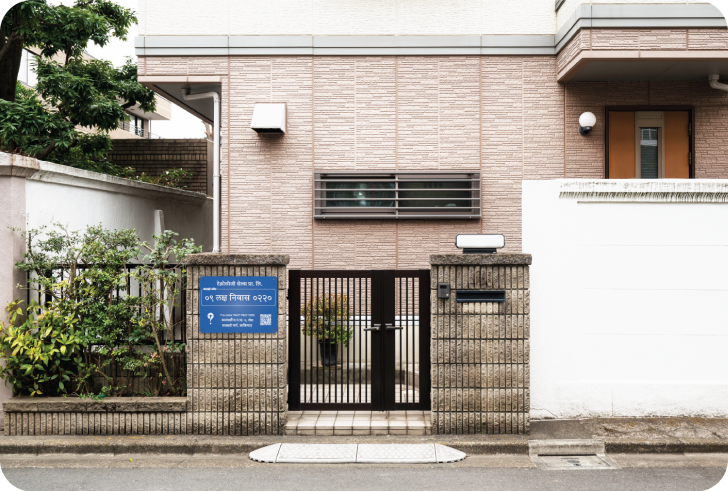
Users can instantly get their address code by searching a grid as small as 2.8m x 3.5m. Kataho divides blocks into smaller 20x20 grids, further subdividing them multiple times. The second-to-last grid is split into 4x5 sections, each coded for easy sharing and memorization. This provides precise, localized codes at every step.




Frequently Asked Questions.
Here you’ll find answers to the most common questions about our services, features, and benefits. If you have additional questions, feel free to reach out to us anytime.
Ready to get started
Addressing the House Own-self
Questions? Call at +977-1-4516900
